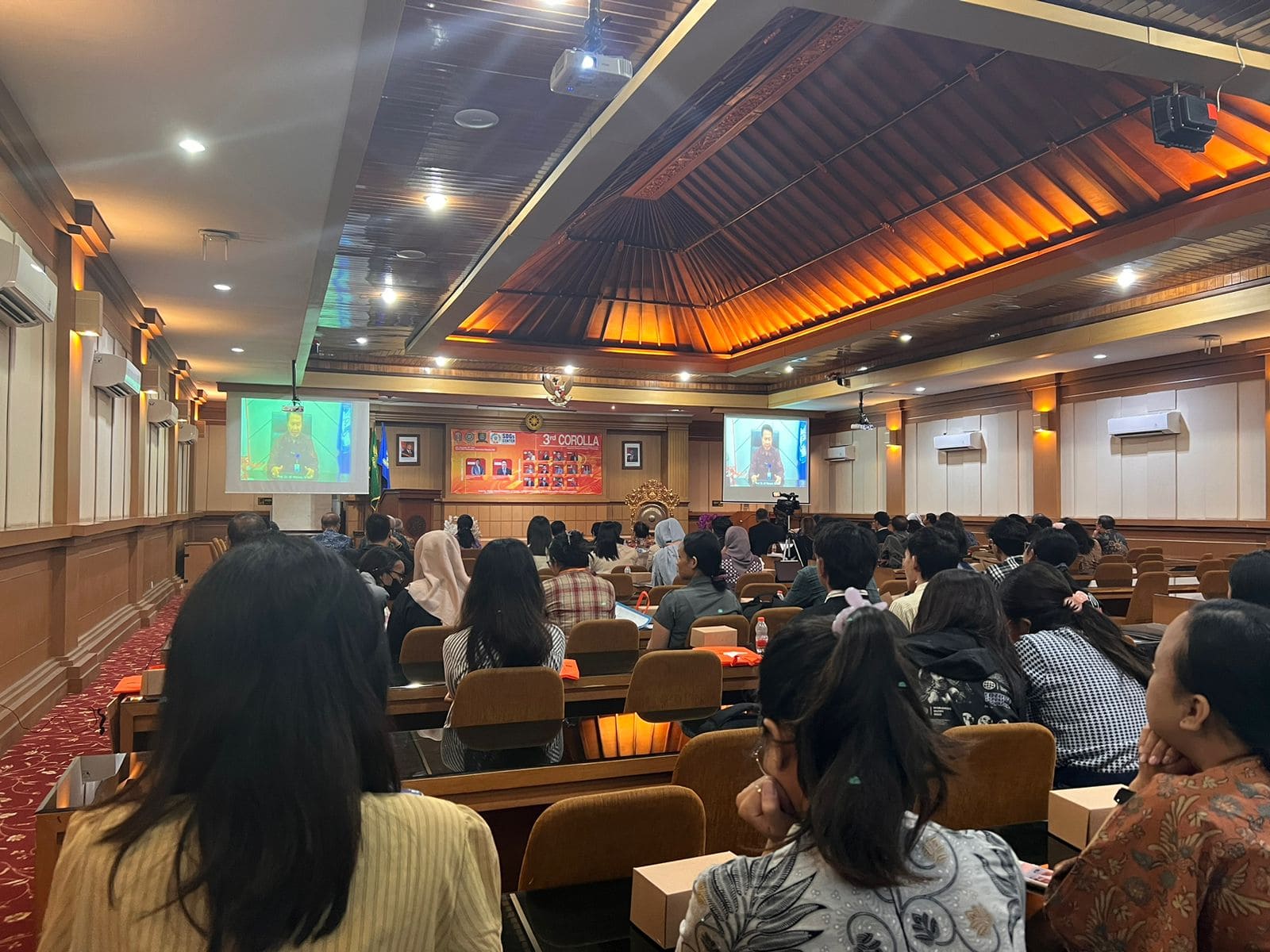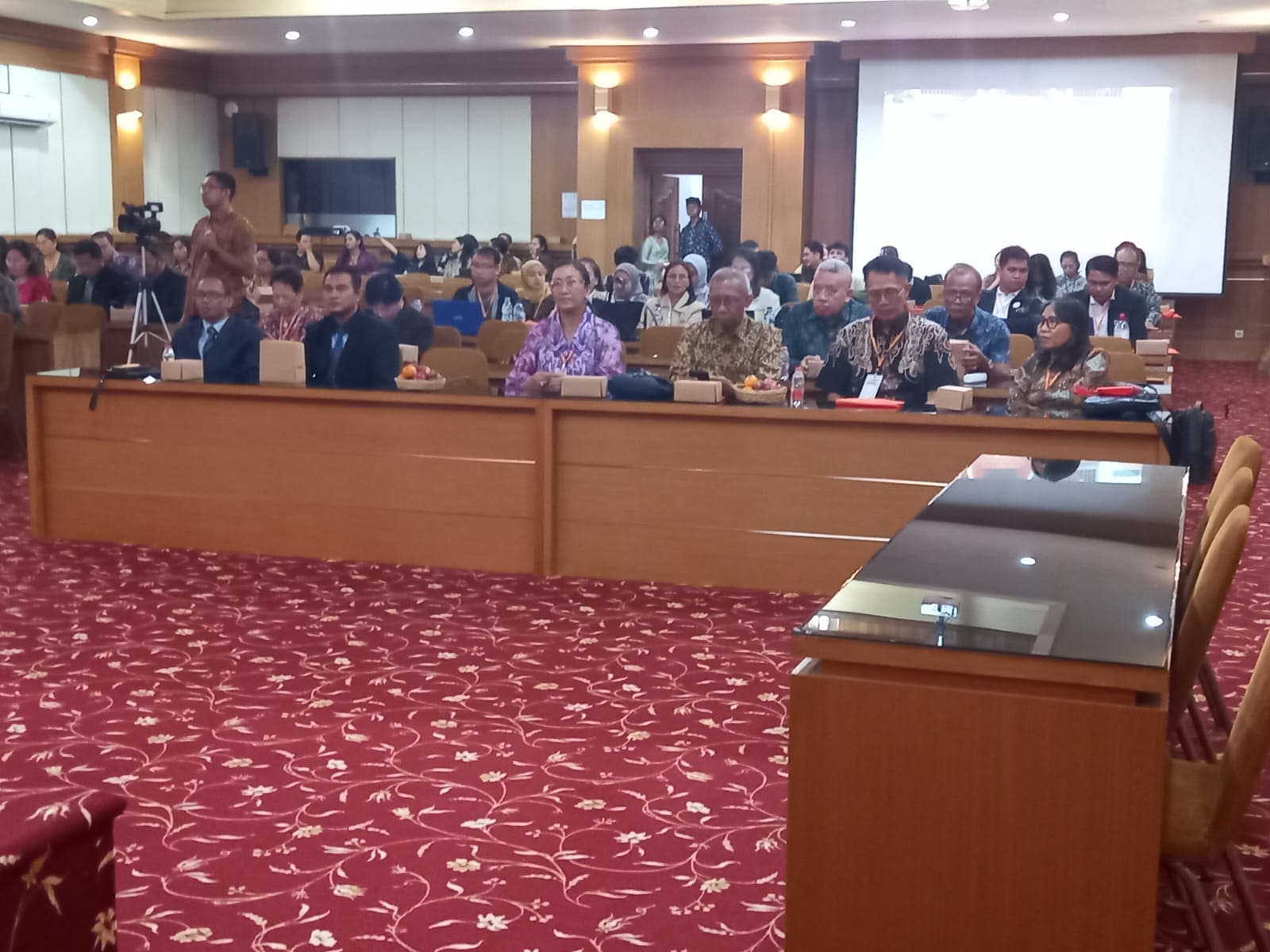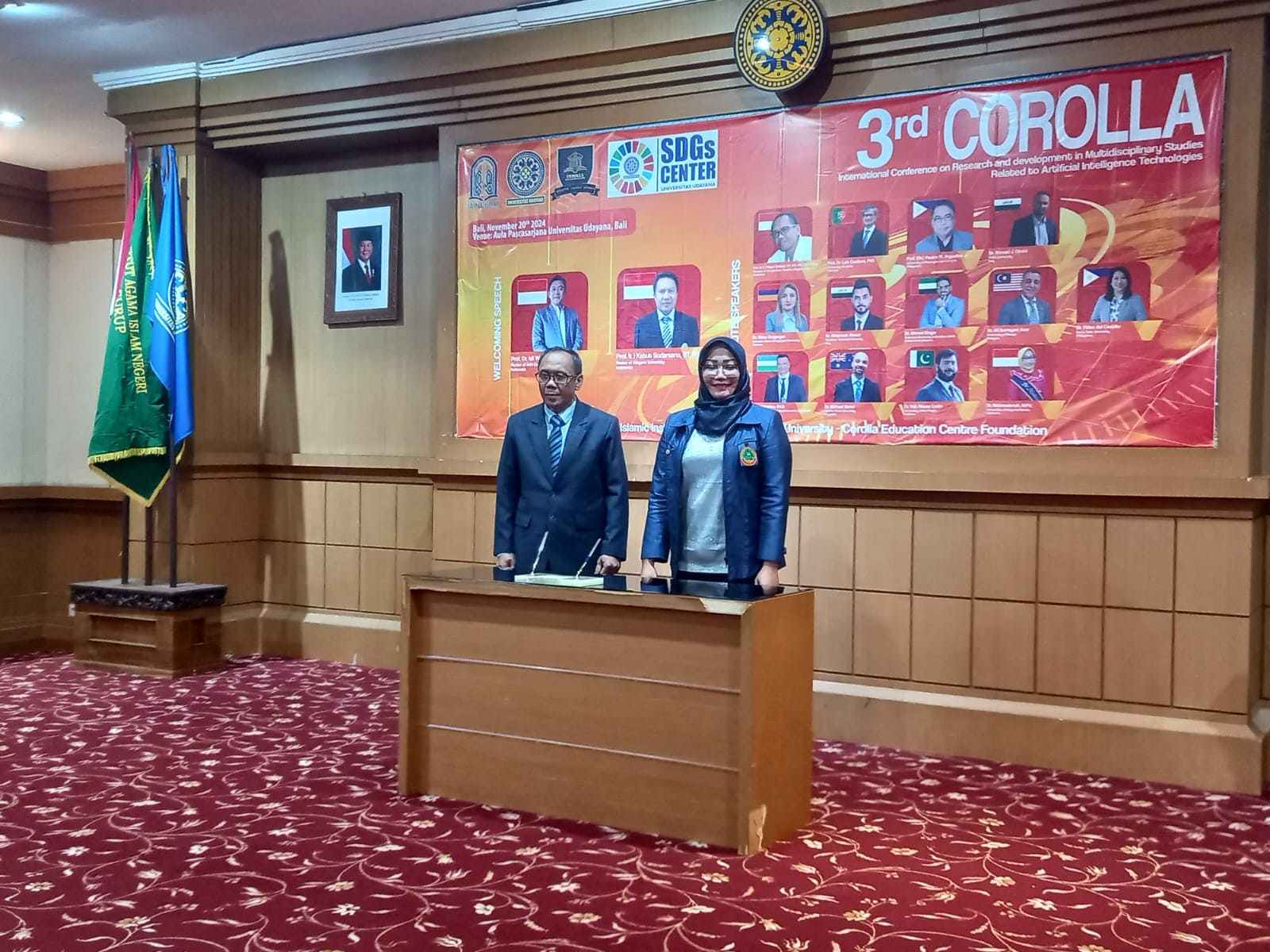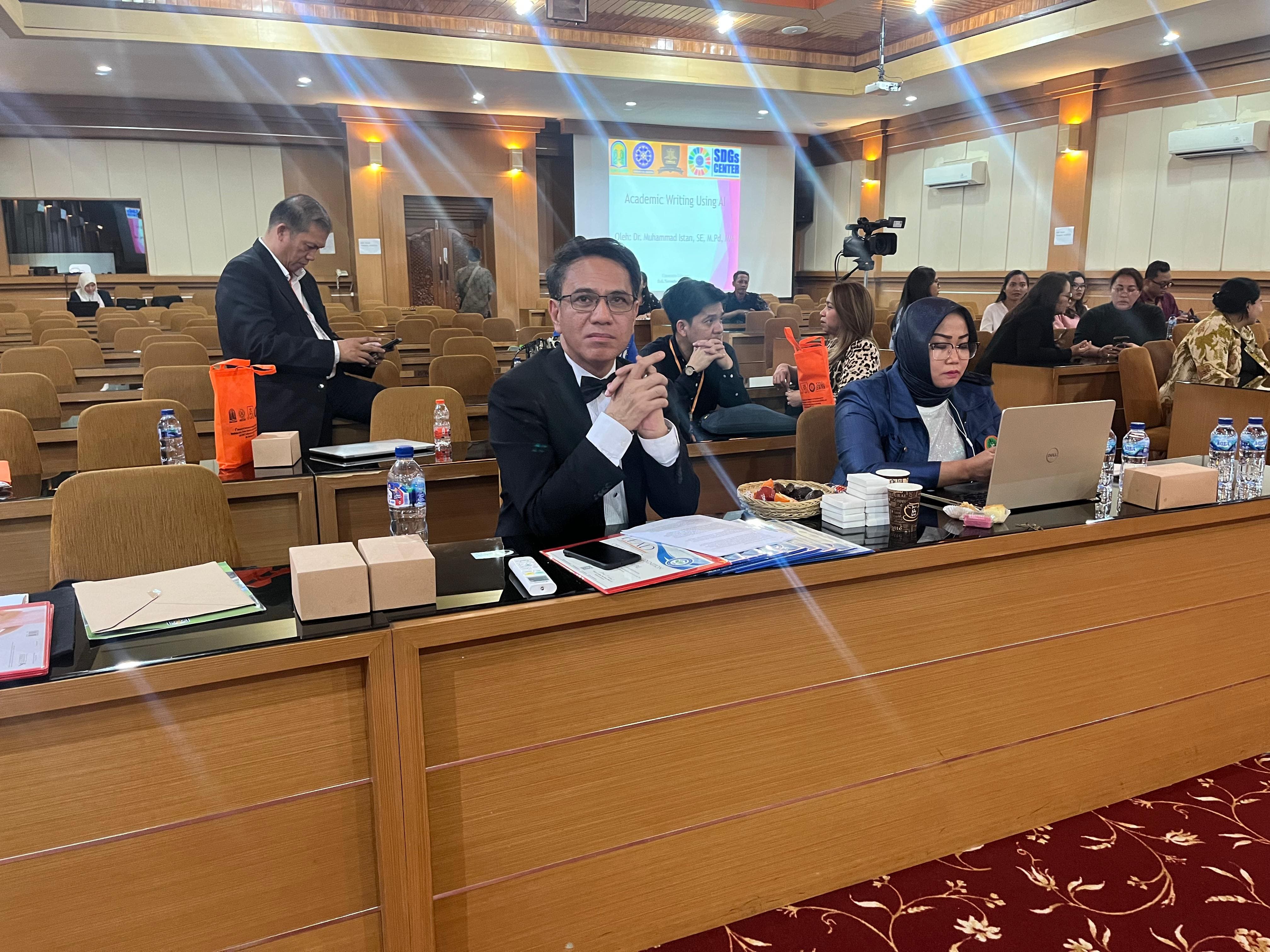




Tuesday, October 6th – 7th, 2026 (Hybrid Conference/Online and Offline)
This conference provides a distinguished platform for educators, researchers, and technology innovators to collaborate on empowering optimal resources that advance educational outcomes through the effective integration of innovative technologies. As the landscape of education continues to evolve, leveraging advanced tools and resources becomes essential for fostering student engagement, personalizing learning experiences, and enhancing adaptability within diverse educational settings.
Conference Aims and Goals:
This conference provides a distinguished platform for educators, researchers, and technology innovators to collaborate on empowering optimal resources that advance educational outcomes through the effective integration of innovative technologies. As the landscape of education continues to evolve, leveraging advanced tools and resources becomes essential for fostering student engagement, personalizing learning experiences, and enhancing adaptability within diverse educational settings.
Participants will engage in in-depth discussions focused on the latest advancements in educational technology, including data-driven resources, adaptive learning platforms, and collaborative tools that support both educators and learners. The conference will feature esteemed keynote speakers, expert-led panel discussions, and interactive workshops, all aimed at sharing best practices, case studies, and research findings. These discussions will elucidate how effective resource management and strategic technological integration can lead to improved pedagogical methodologies and enriched educational experiences.
Attendees will examine the interplay between educational resources and technology, aspiring to cultivate a vibrant ecosystem that promotes lifelong learning and adaptability in a rapidly changing global environment. Together, we will work to redefine the future of education by harnessing the potential of resource optimization and technological innovation to create impactful learning environments that prepare students for success in an increasingly complex world.
October 6-7th, 2026
Sinop University of Turkey
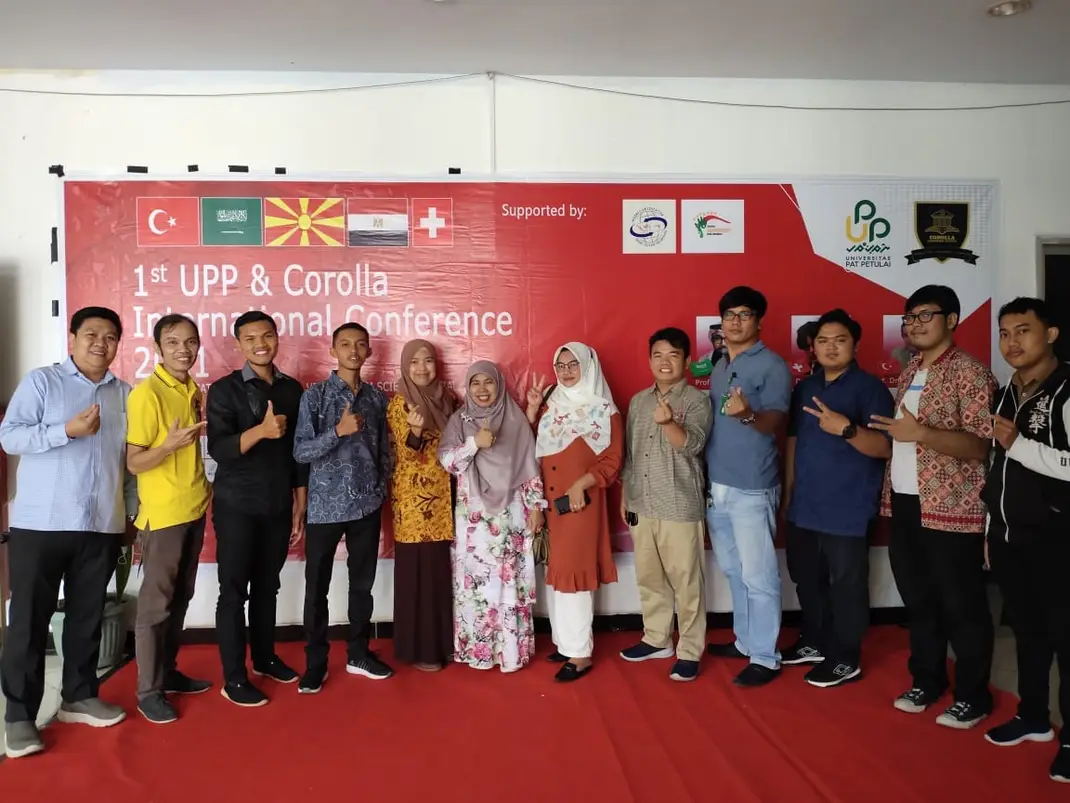
The International Conference on Emerging Technologies for Next Generation Learning Spaces (COROLLA) is a prestigious global event that focuses on the latest advancements in educational technologies driving innovation in learning environments. Attendees will explore cutting-edge research, discover emerging trends in educational practices, connect with industry leaders and innovators, and expand their professional networks. Insights will be shared by distinguished experts in the field of educational technology who are shaping the future of learning.
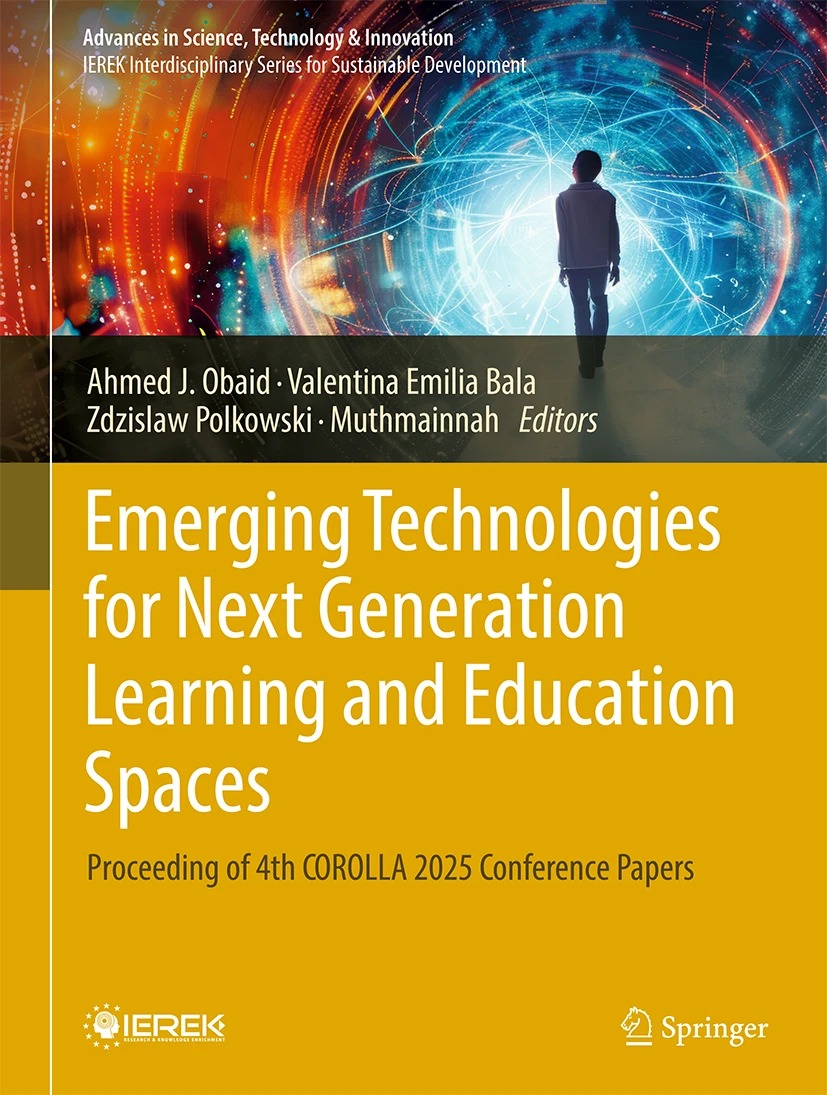
All accepted and registered full papers must be presented at the conference. The proceedings of COROLLA 2026 will be published as a Conference Paper in Springer Series (Under approval)
The Microsoft CMT service was used for managing the peer-reviewing process for this conference. This service was provided for free by Microsoft and they bore all expenses, including costs for Azure cloud services as well as for software development and support.
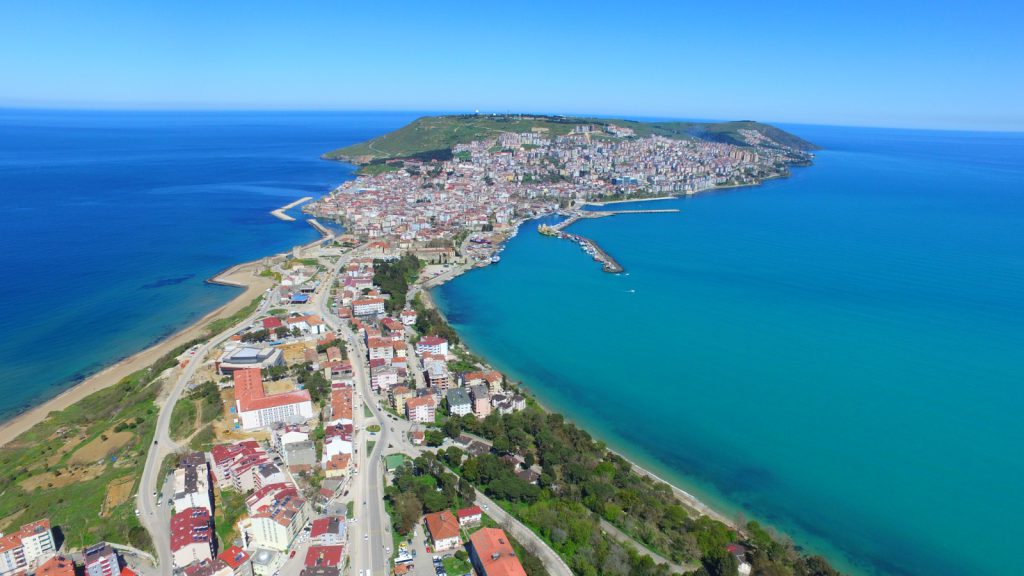
Sinop was founded as a fortress-city at the isthmus of Boztepe Cape connected to Turkey’s northernmost point, Inceburun, from the east side, and has developed towards the eastern direction throughout history. Sinop, which has been home to a wide variety of civilizations, still contains some ancient ruins.
Sinop, named after the Greek Goddess Sinope, has been a city that fascinates people with its pristine nature, untouched beaches and sea. The inner harbor in the southern part of the peninsula, thanks to its geographical location, has caused sailors to consider Sinop as a port in stormy weather conditions. Due to the difficulty of transportation, maritime and port activities have not developed and remained local. Fishing is the main source of livelihood in the Black Sea region and more than half of the fish caught are caught around the Sinop peninsula.
Sinop, which was dominated by the Romans, Byzantines, Seljuks and Ottomans respectively, developed the most during the Seljuk dynasty and the city progressed architecturally. The historical buildings that have survived to the present day still make you feel the smell of those times.
Sinop University, located in the city of Sinop, Turkey, was established in 2007. This public university emerged from the reorganization of the Sinop Faculty of Arts and Sciences and the Sinop Vocational School, which were previously affiliated with Ondokuz Mays University based in Samsun.
Sinop University offers a variety of undergraduate and graduate programs across multiple faculties, including the Faculty of Arts and Sciences, Faculty of Economics and Administrative Sciences, and Faculty of Engineering and Architecture. It also houses several vocational schools offering programs in technical and business fields, enhancing vocational education in the region.
The university focuses on integrating educational activities with research and community service. It aims to contribute to local and regional development while also fostering international collaborations in research and education.
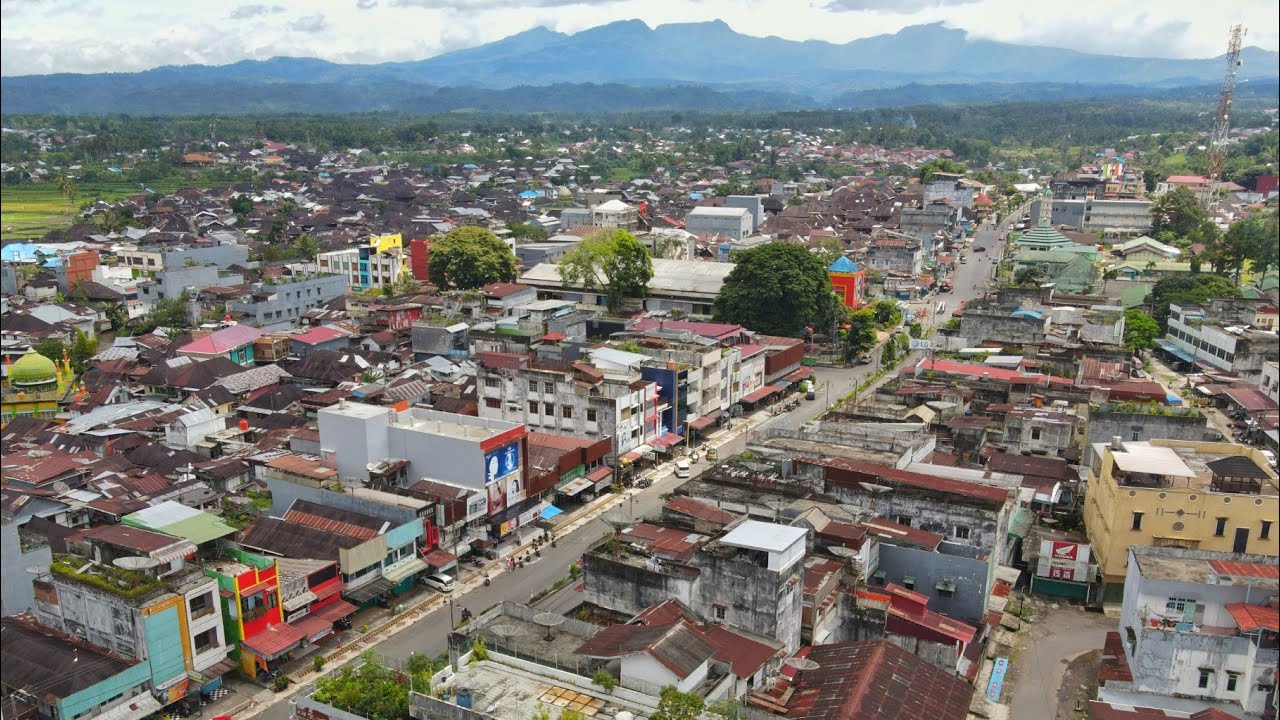
State Islamic Institute (IAIN) of Curup is located in Curup Utara, Kabupaten Rejang Lebong, Bengkulu, Indonesia
Hasyim Asy’ Ari University is located in Jombang, Jawa Timur, Indonesia
Prof. Dr. Hazairin University, SH is located in Bengkulu, Indonesia
Muhammadiyah University of Metro is located in Lampung, Indonesia
IAI Nusantara Ash – Shiddiqiyah is located in Lubuk Seberuk, Lempuing Jaya, OKI, Sumatera Selatan, Indonesia
Corolla Education Centre is located in Curup Utara, Kabupaten Rejang Lebong, Bengkulu, Indonesia

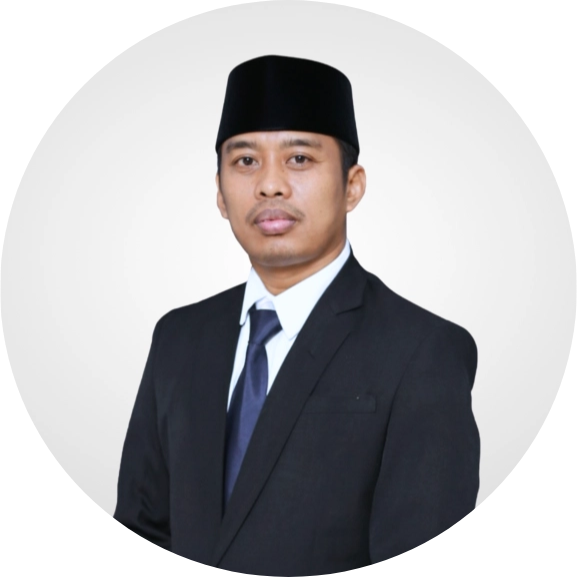
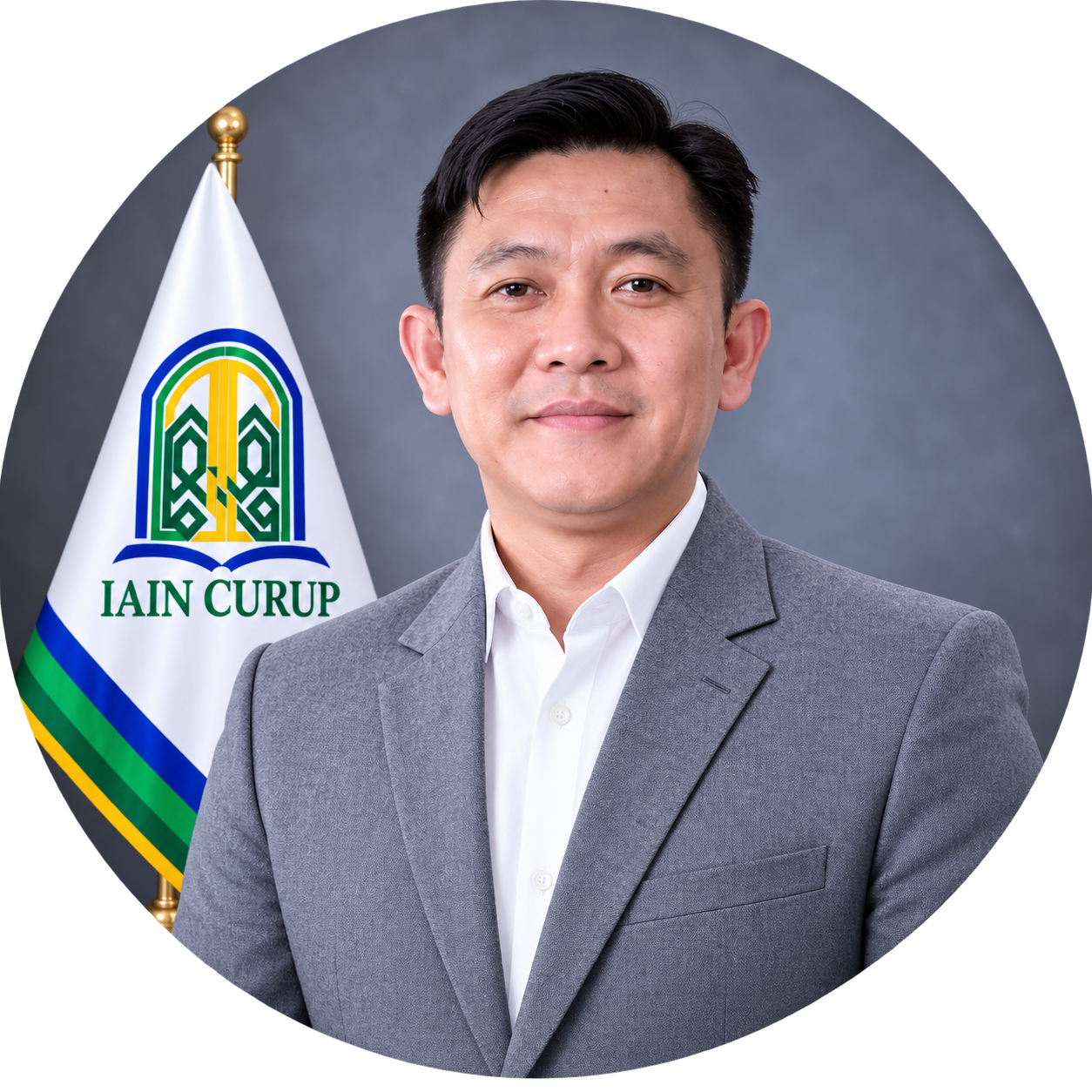
Prof. Dr. Idi Warsah, M.Pd.I. (Rector of IAIN Curup)
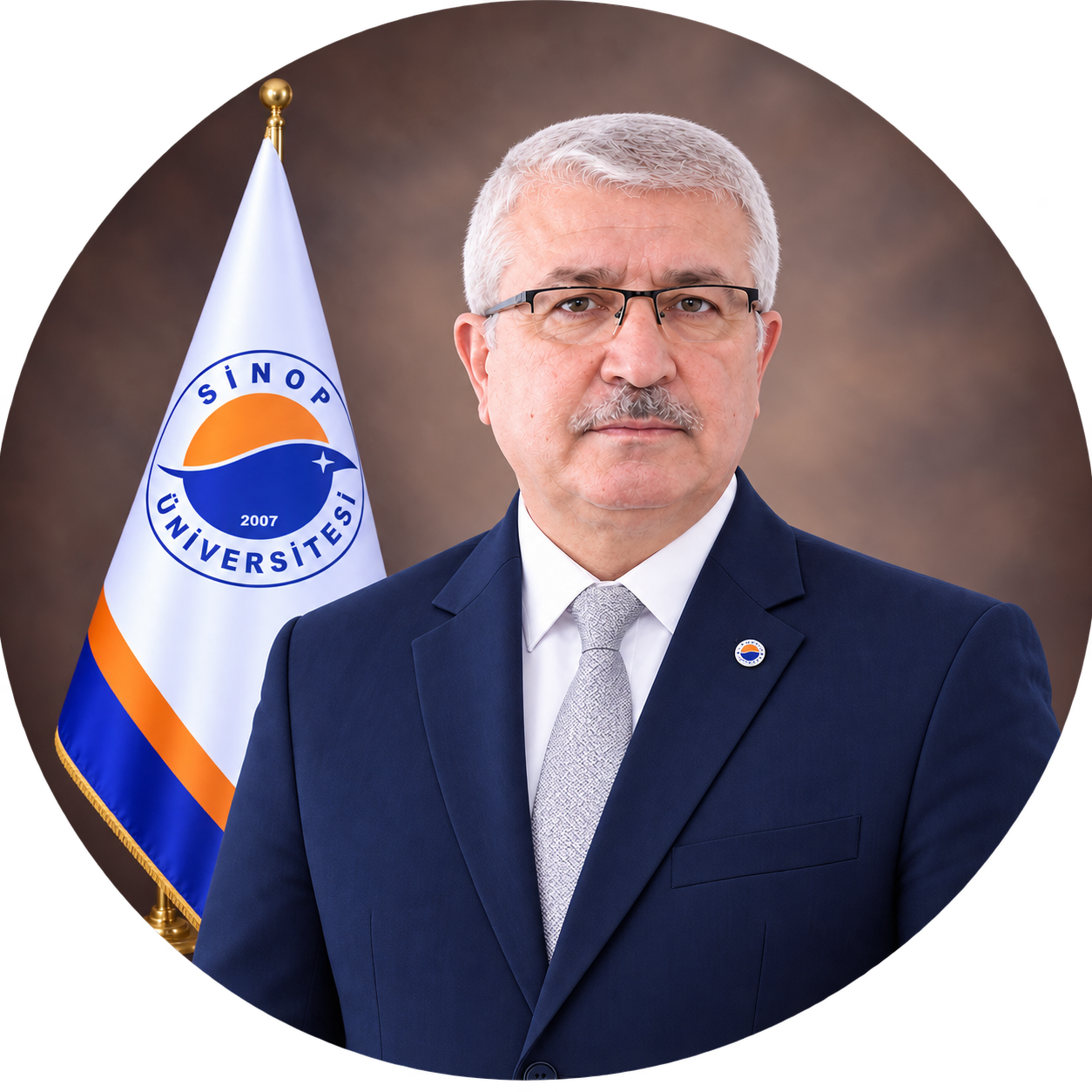
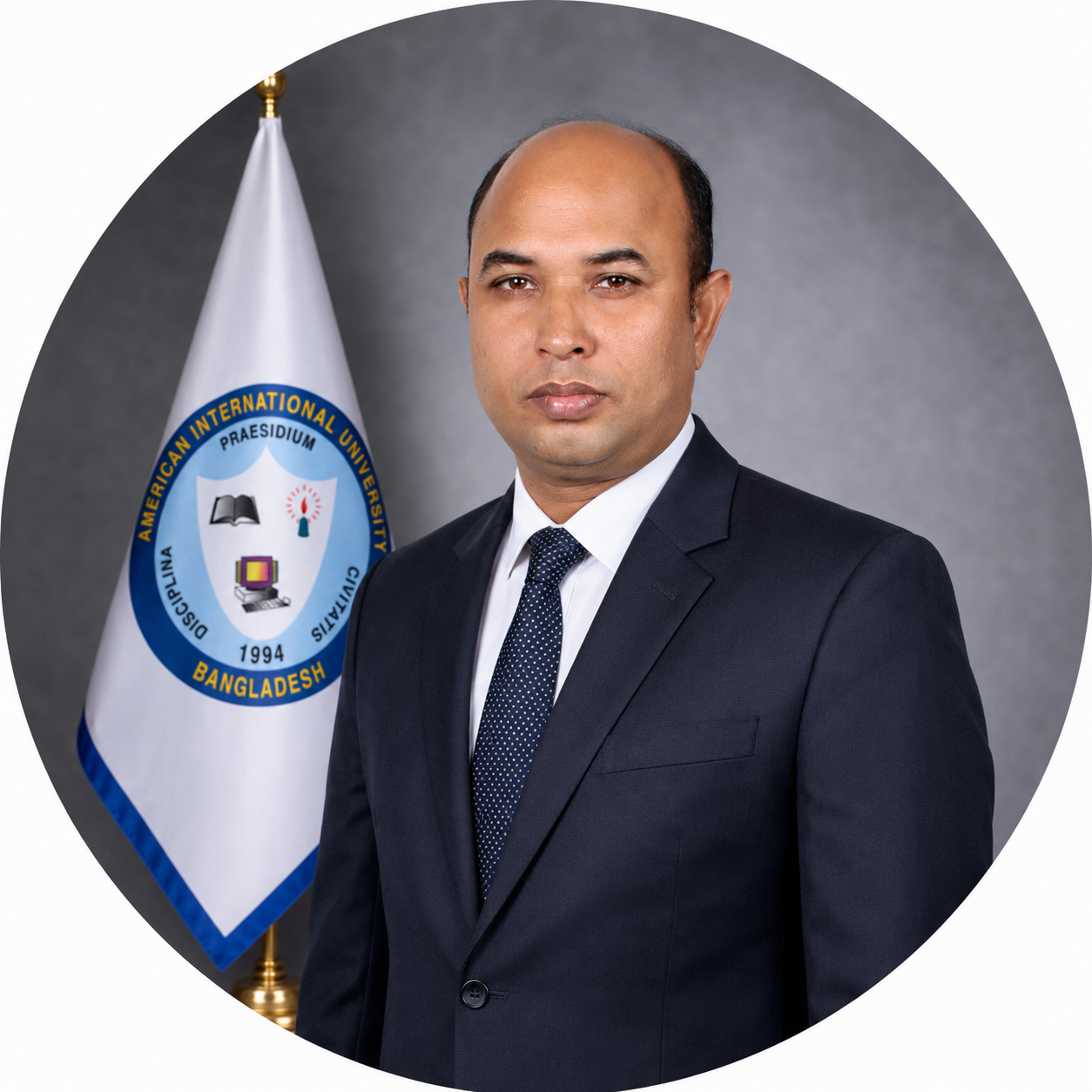
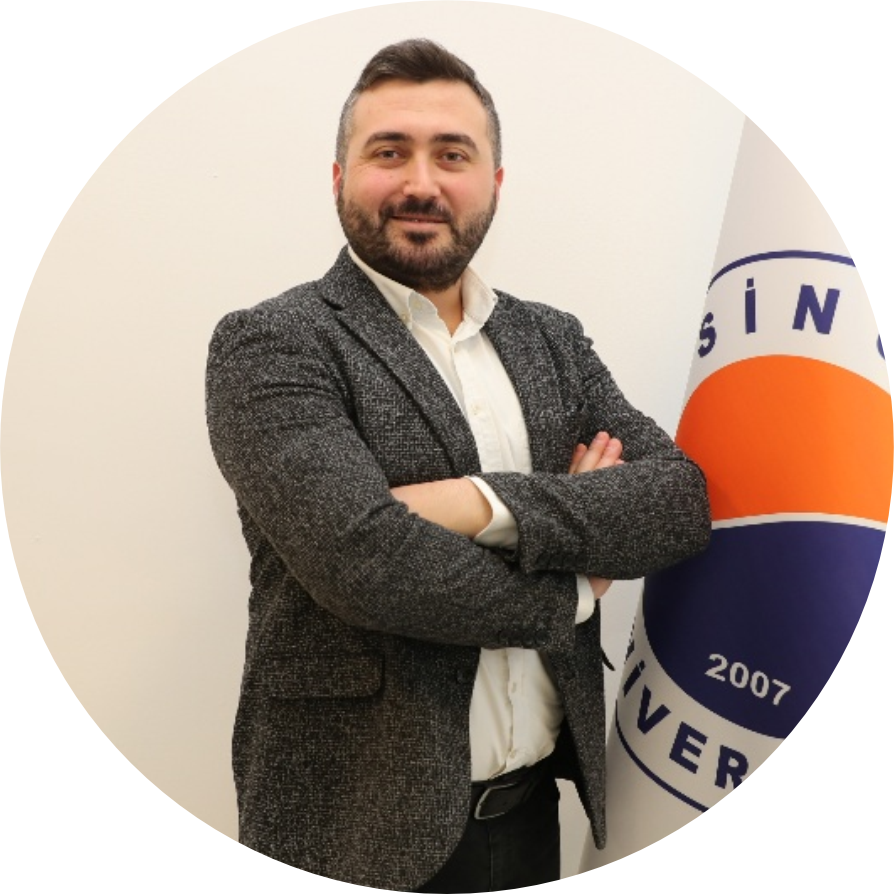
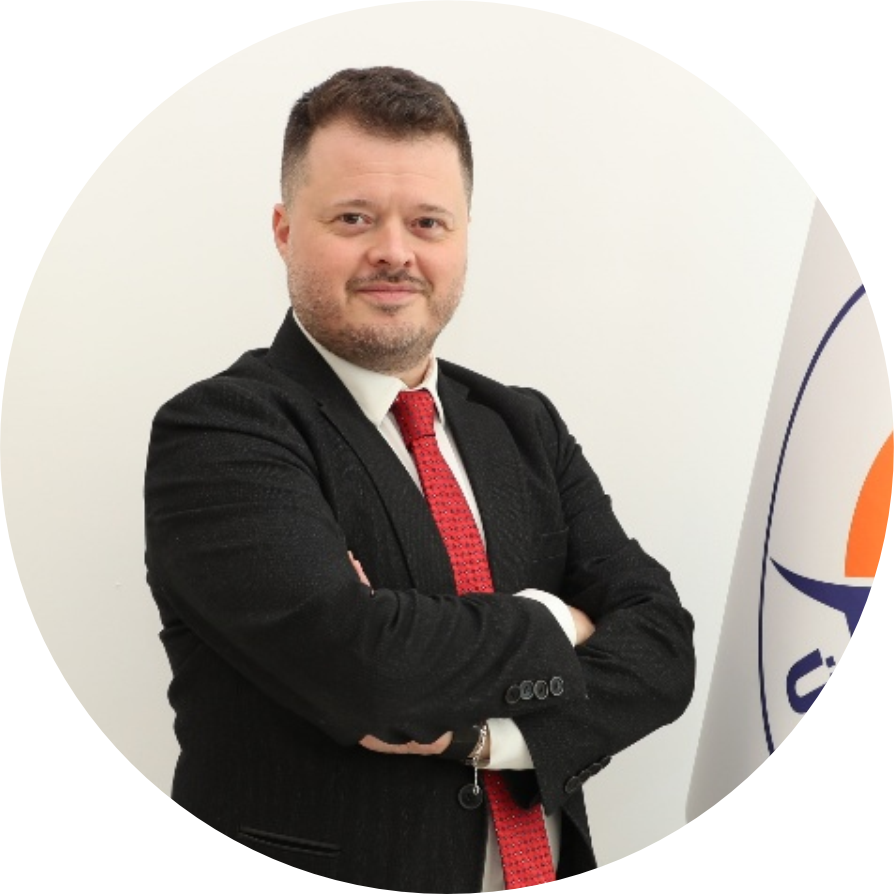
Prof. Dr. Şakir TAŞDEMİR (Rector of Sinop University)

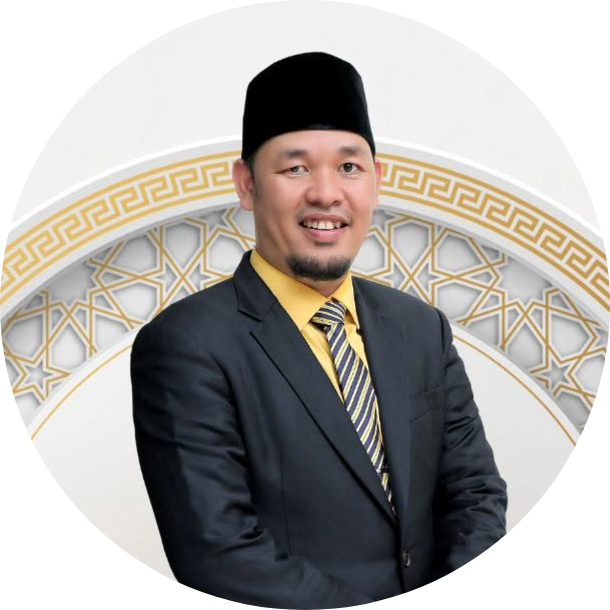
Dr. Agus Sholikhin, S.Si. M.Pd.I (Rector of IAI Nusantara Ash-Shiddiqiyah )

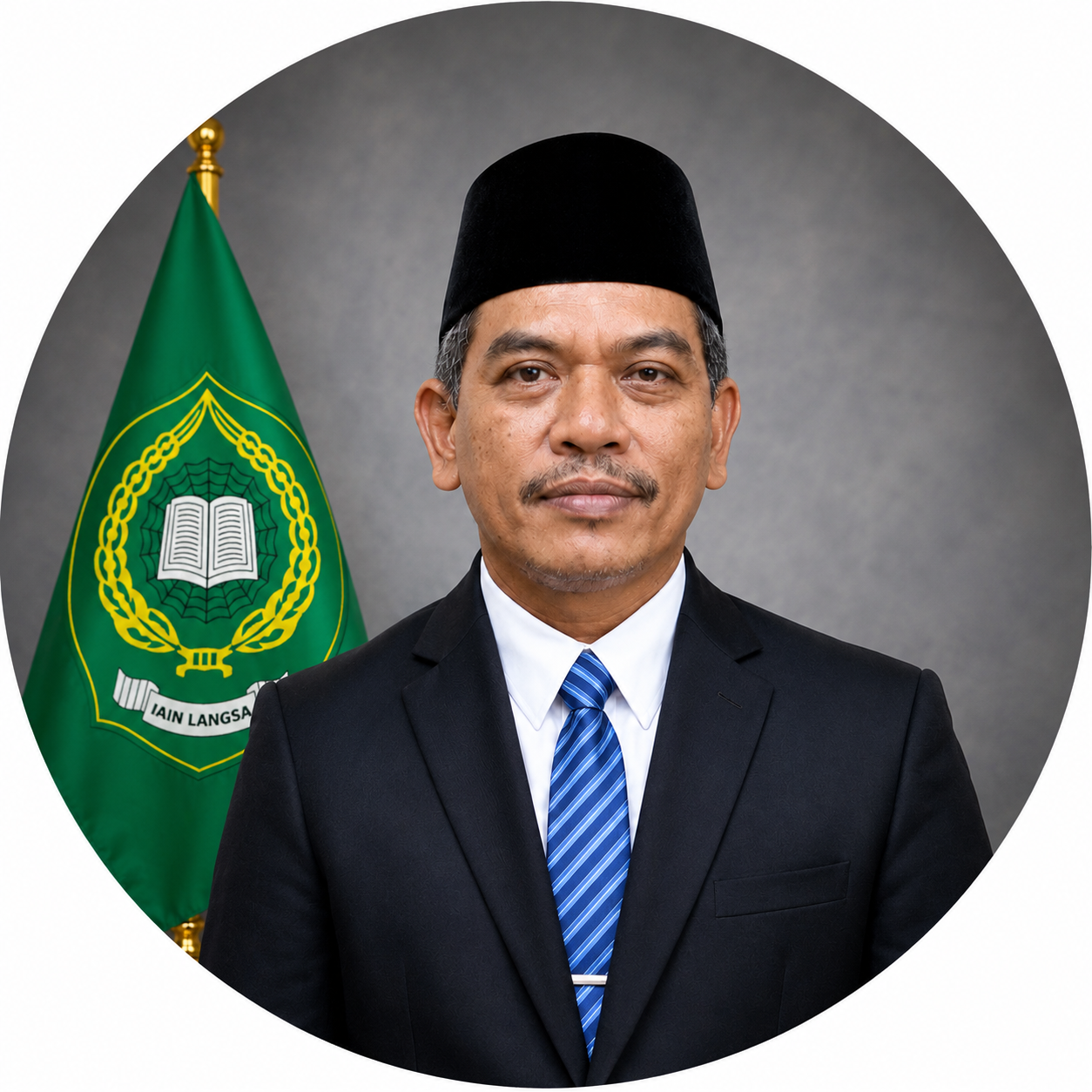
Prof. Dr. Ismail Fahmi Arrauf Nasution, MA (Rector of IAIN Langsa)
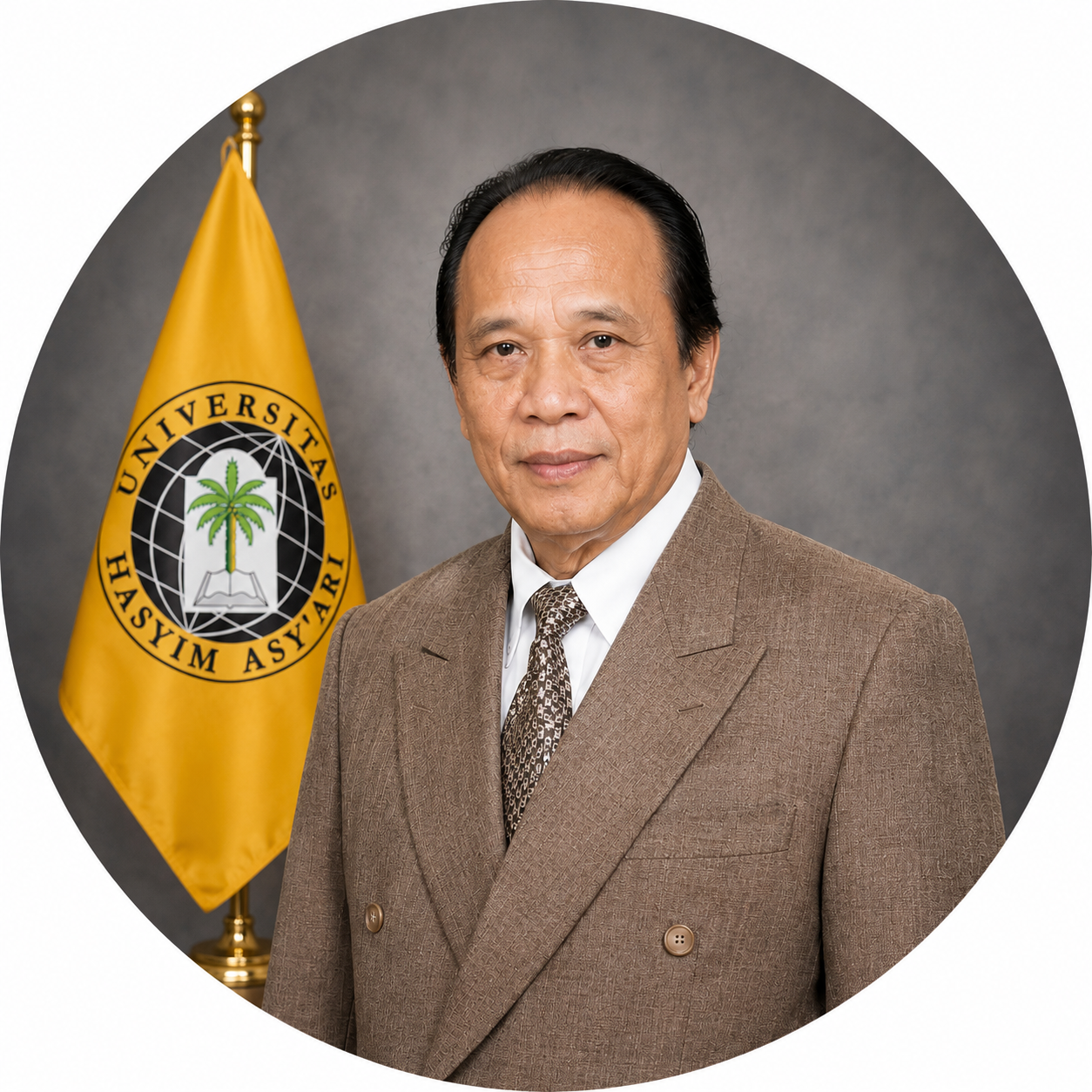
Prof. Dr. Haris Supratno (Rector of Hasyim Asy' Ari University)
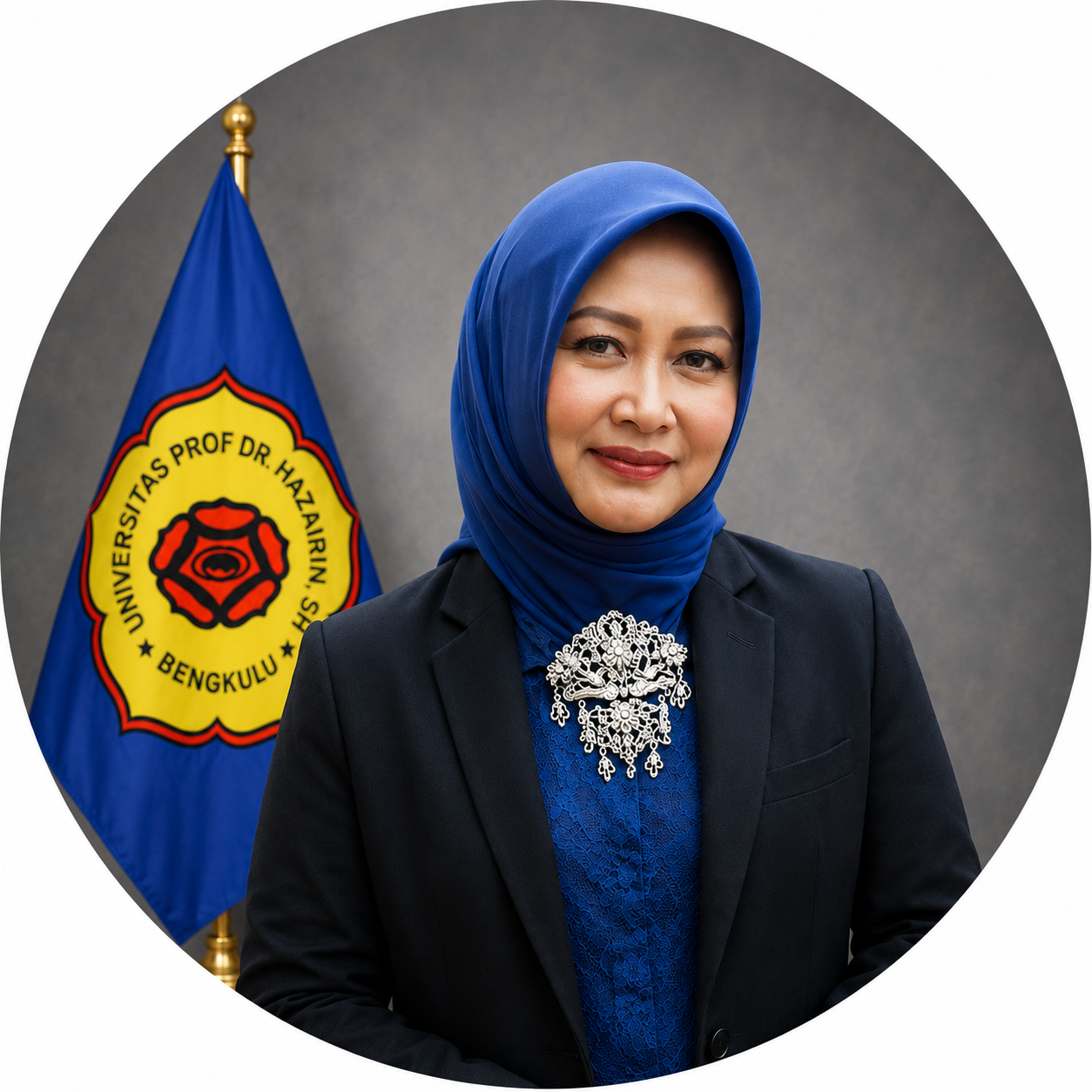
Dr. Arifah Hidayati, SE., M.M (Rector of Prof. Dr. Hazairin University, SH)
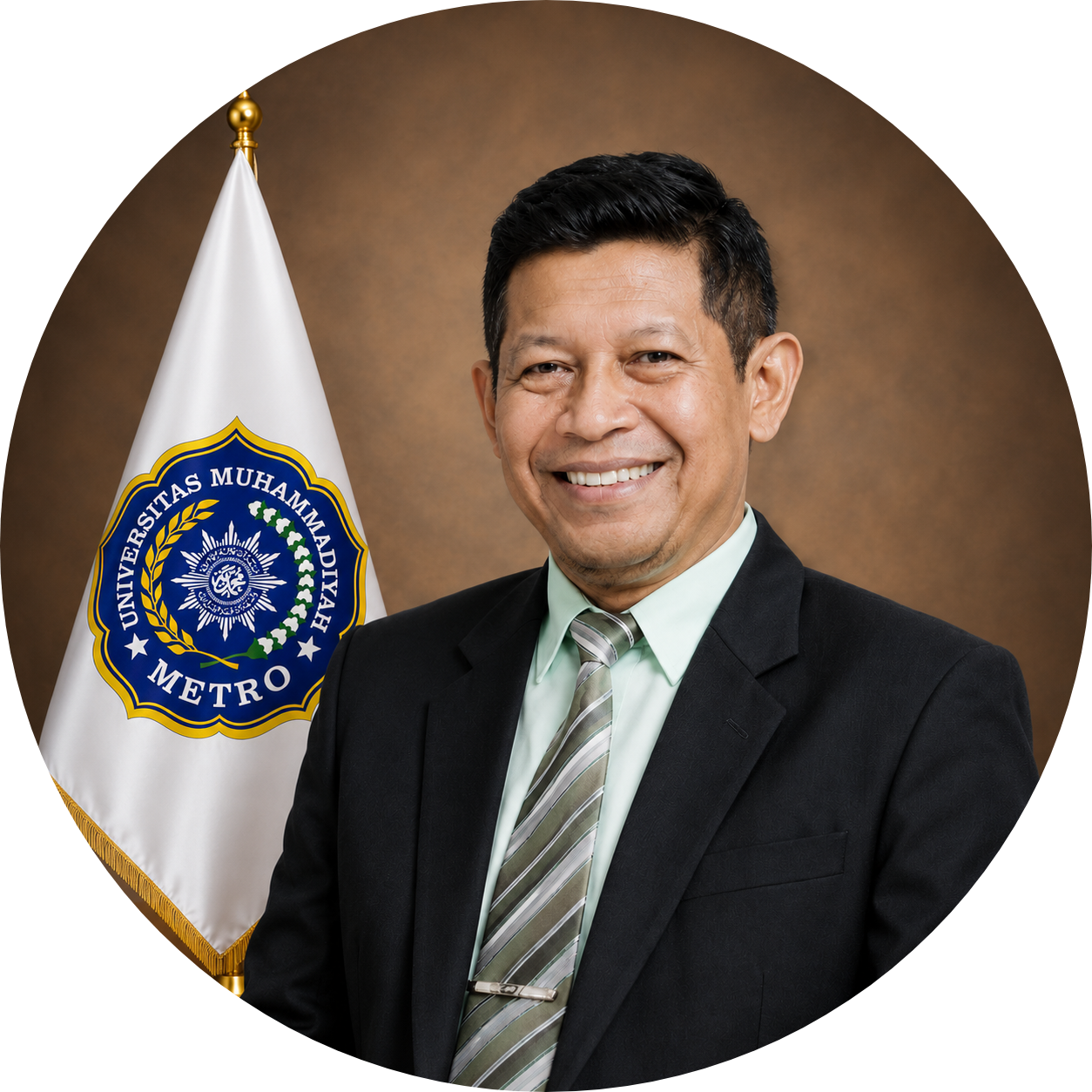
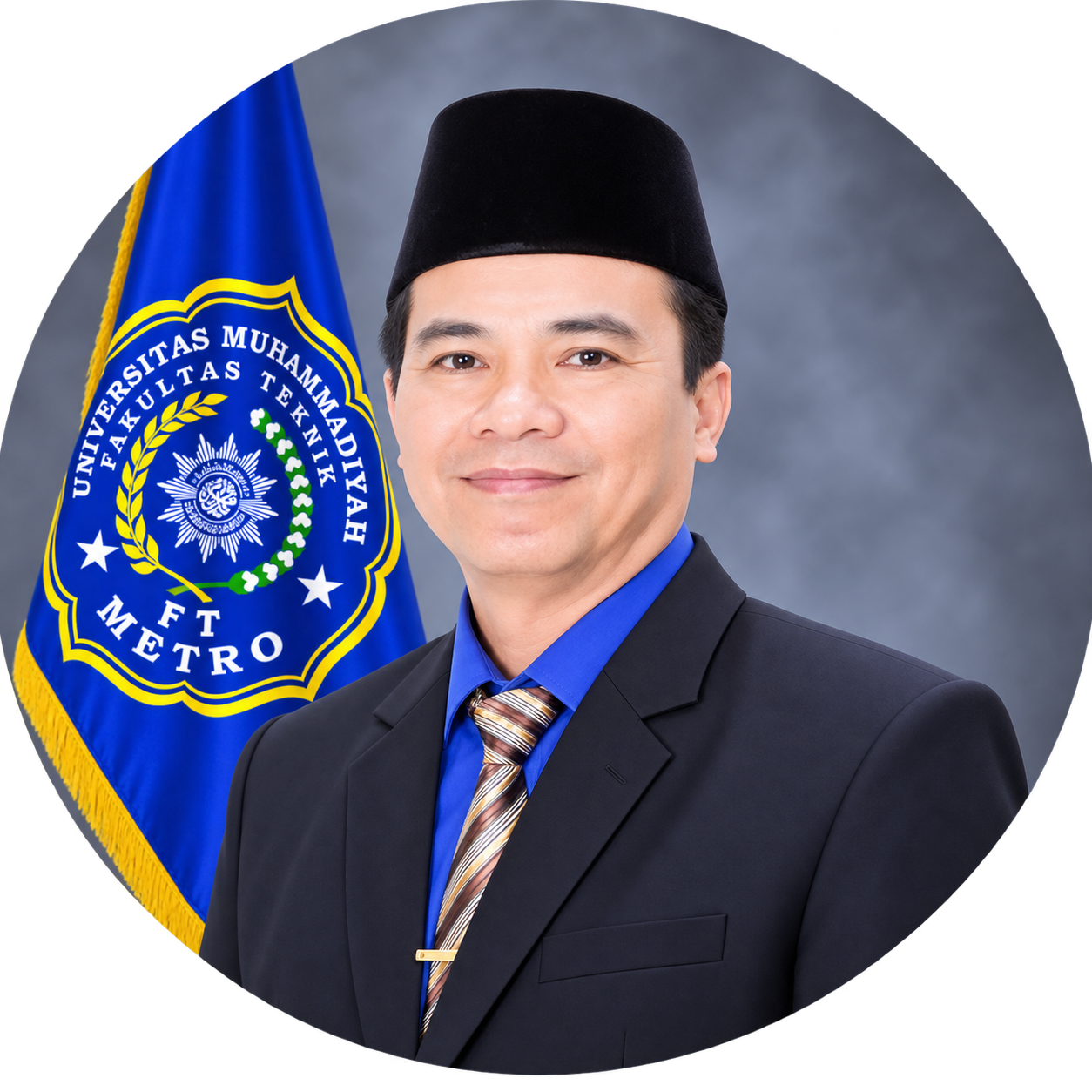
Dr. Nyoto Suseno, M.Si. (Rector of Muhammadiyah University of Metro)
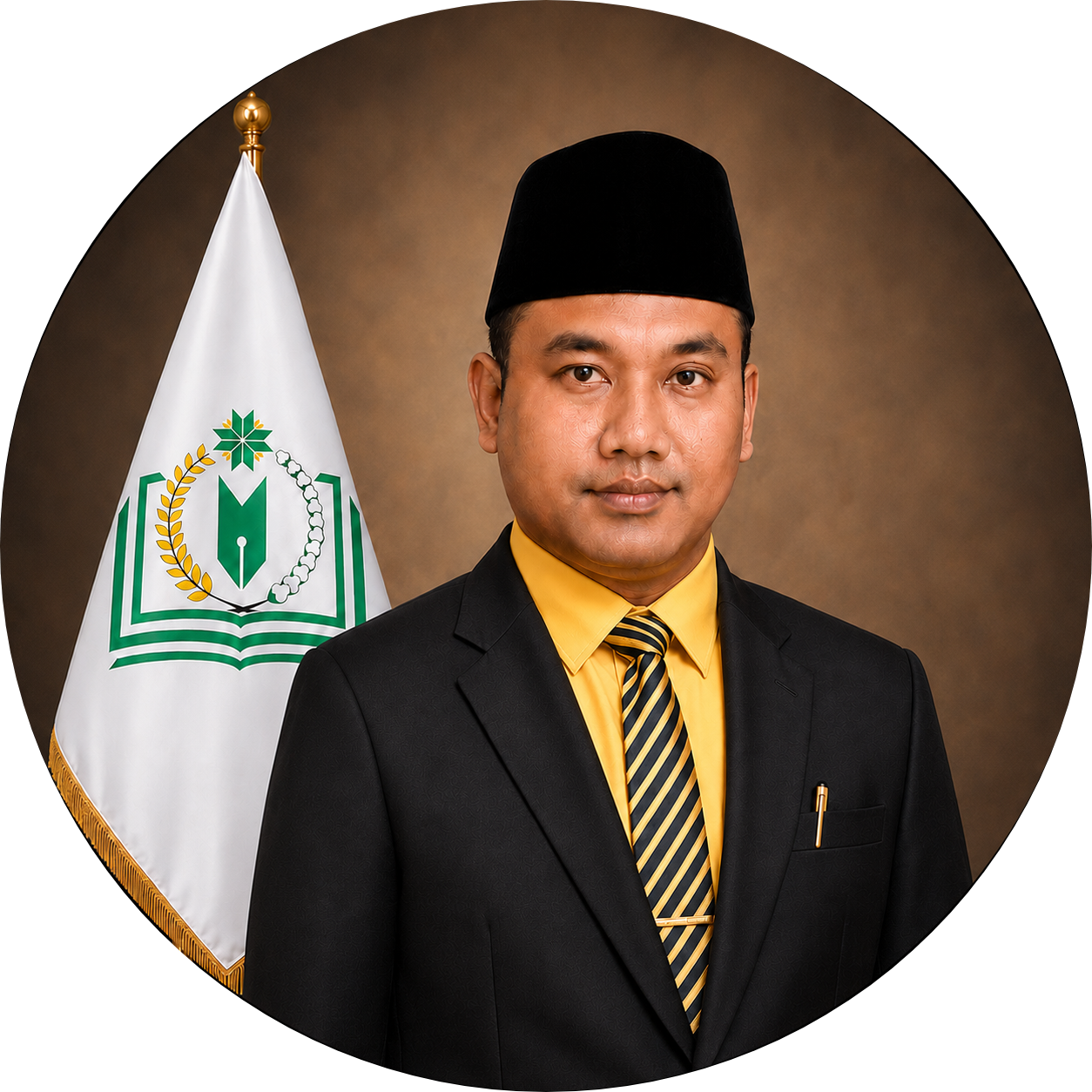
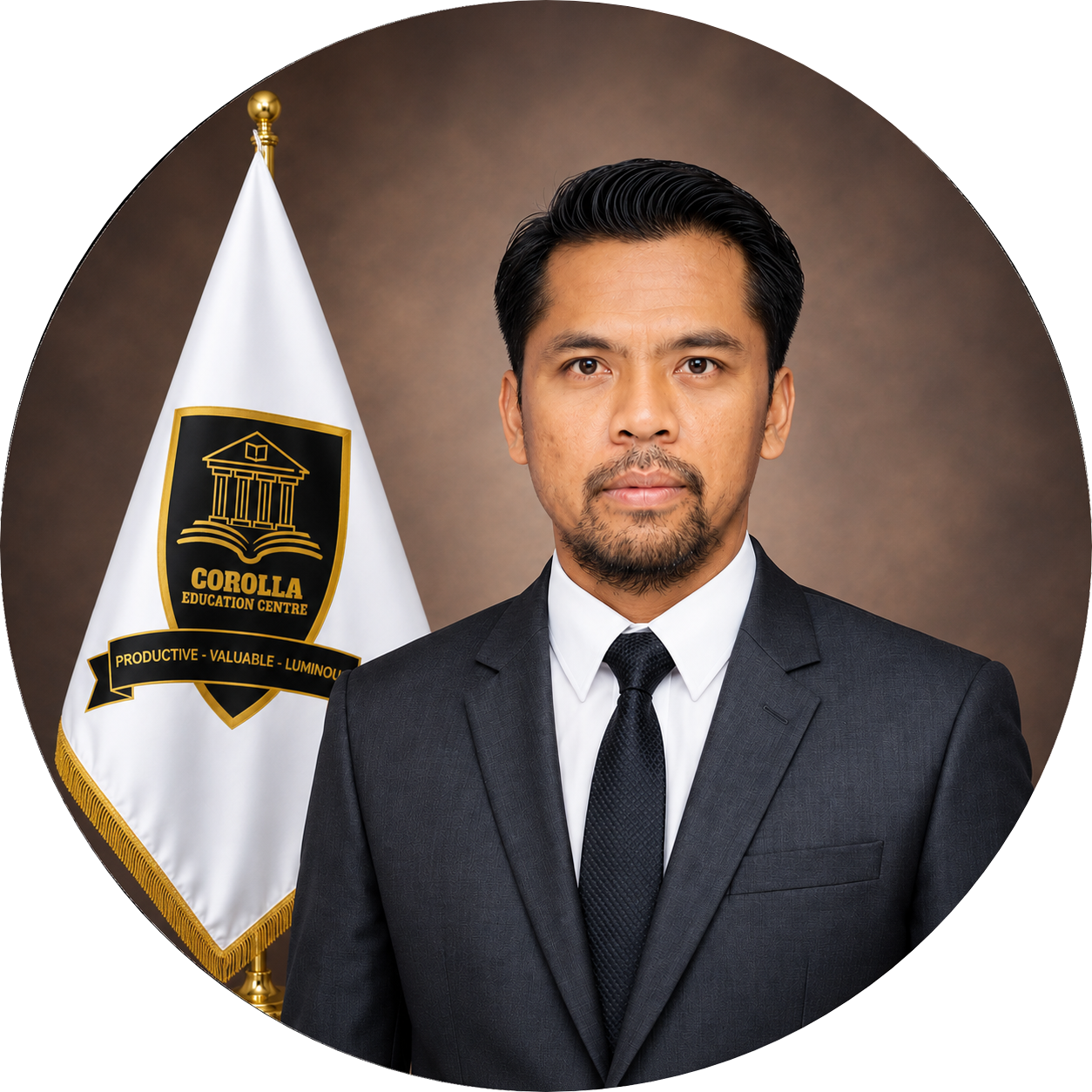
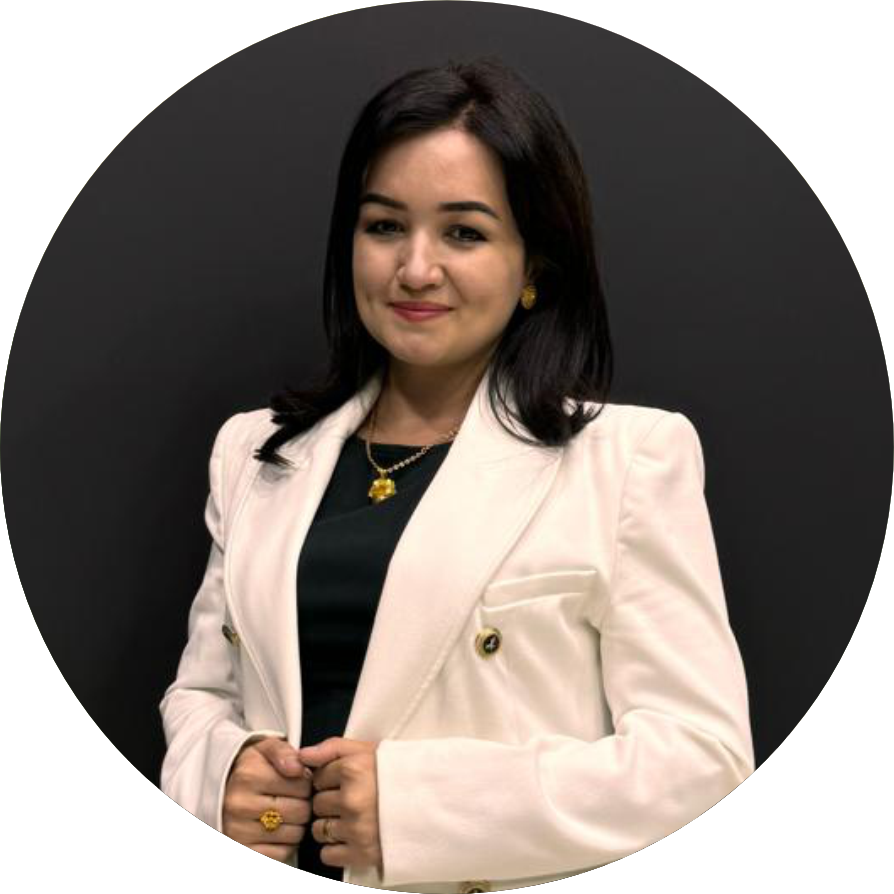
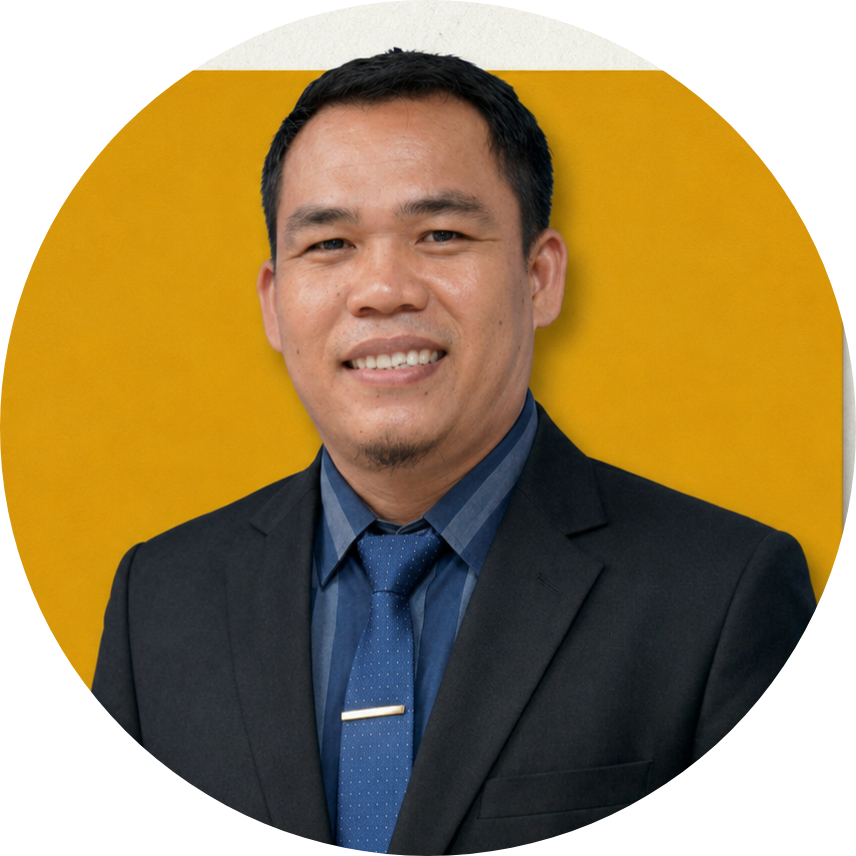
Dadan Supardan, S. Si., M. Biotech.
(The President of Corolla Education Centre)
Read carefully to avoid withdrawal or exclusion during the review/proceedings stage.
The author list and paper title in your submitted PDF must exactly match the author list and paper title on the paper registration page (include all co-authors, not only the submitting author). Non-compliance may lead to withdrawal from the review process. The author list of an accepted paper cannot be changed in the final manuscript.
Only Word files will be accepted for the review process. All submissions must be uploaded through the official ICMAICT submission system (Microsoft Conference Management Toolkit).
COROLLA follows a double-blind review process. All papers are initially checked for similarity using Turnitin. Papers passing plagiarism checks are assigned by Scientific Committee members to 2–3 reviewers for evaluation using structured reporting forms. Based on reviewers’ reports, the editor decides whether the paper is: accepted, accepted with minor/major revisions, or rejected.
Formatting: Use Times New Roman, 10 pt for main text and all parts except EndNote and index (8 pt). Single-spaced text.
Length: Up to 5000 words, including abstract and references.
Spacing: Replace double spaces with single spaces using Find & Replace until none remain.
References: Use IEEE or Harvard reference style.
Images: For grayscale images/photos, use JPEG at 150 dpi. Embed all images in the main Word file. Consider page size (115mm × 180mm).
Original unpublished research papers, articles, and working papers (maximum length 10 pages) related to the conference theme are invited. Only original content with novel research results or successful innovative applications will be considered for publication in the proceedings (as chapters in edited volumes of Springer Series). Ensure the paper follows Springer guidelines and does not exceed 10 pages (A4 size). Refer to the Springer template.
Plagiarism must be less than 10% (excluding references). Keep the Turnitin report.
AI-generated writing or ChatGPT is strictly prohibited.
No grammatical errors; strong language clarity is required.
Do not copy figures/tables from other papers or the internet; use high-resolution figures.
Page limit: Minimum 08 pages, Maximum 09 pages after Springer compliance.
Abstract: 150–200 words; Keywords: 4–5.
Writing format must be Springer (strictly).
Mention all table/figure numbers in the manuscript.
Cite all references appropriately within the manuscript.
Ensure every reference appears in the body text.
Tables must not be images.
Equations must be made using Math Editor (no equation images).
Maintain HD figure quality.
Please ensure compliance with ICMAICT publication ethics and similarity requirements before submission.
Before submission, check your paper with licensed plagiarism software (e.g., Turnitin/Authenticate). The similarity content must not exceed 18% (including self-content or others).
COROLLA checks every submission for plagiarism using Crossref Similarity Check powered by Turnitin. Articles are screened before being sent to the scientific committee for review.
Any form of self-plagiarism or plagiarism from others’ work(s) must not be present.
The language used should not be the same as the source from which content is adopted; paraphrase properly and cite.
If you use copyrighted material, obtain prior permission from the copyright holder.
If any model/concept/figure/table/data or conclusive comment from previous work is used, cite the original source properly.
Submissions may be rejected automatically at any stage if plagiarism is detected.
Reminder: All articles submitted to ICMAICT undergo a plagiarism check before peer review. Please verify similarity and permissions in advance to avoid rejection.
All accepted and registered full papers must be presented at the conference. The proceedings of ICMAICT 2026 will be published as Conference Papers (Under Approval)
Please Note:
Please review the process and formatting requirements carefully before submitting your manuscript.
The COROLLA conference follows a double-blind review process for all submitted papers. Each paper is initially screened using Turnitin Plagiarism Software. Papers that pass the similarity check are assigned by the Scientific Committee to 2–3 independent reviewers for evaluation using structured forms aligned with publishing standards.
For papers recommended by editors, optional language services help ensure professional clarity, formatting, and referencing compliance.
To ensure papers are error-free and impactful, manuscripts recommended for Proofreading and Editing require a separate service fee based on the total number of words. These services enhance language quality and ensure adherence to required formatting and referencing rules.
1. Proofreading – Correcting grammar, punctuation, spelling, and typography.
2. Editing – Improving clarity, sentence structure, flow, and academic tone.
3. Feedback – Providing critical comments and suggestions to strengthen the paper.
4. Formatting – Ensuring compliance with template rules (fonts, spacing, margins, tables, pagination, etc.).
5. Referencing – Adjusting references to match the prescribed style.
Only papers recommended by the conference editors will be forwarded to PaperTrue.
Service fees are calculated based on the total word count of the manuscript.
Proofreading and editing fees are separate from the conference registration fee.
There is no refund policy. Registration fees are non-refundable under any circumstances once a paper has been submitted and accepted for the conference.

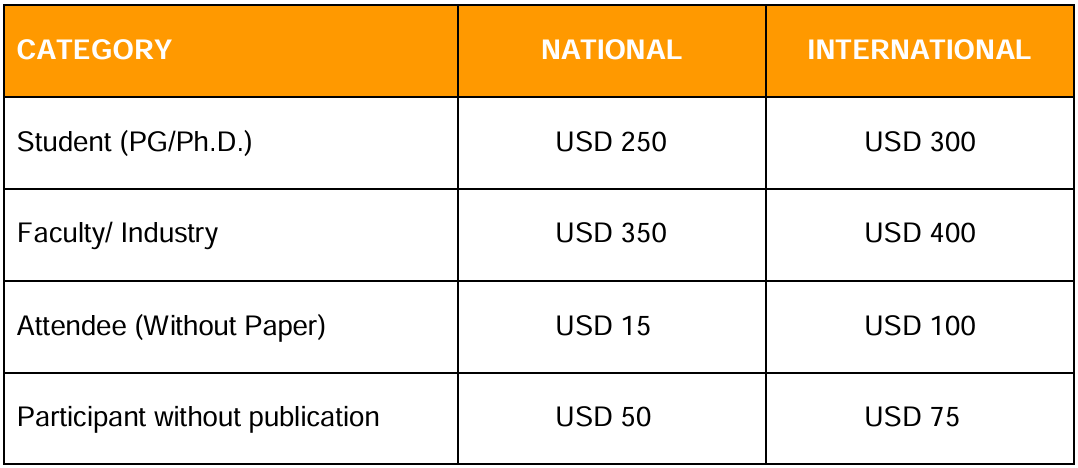
Fees are listed by participant category for National and International registrations
Bank : BRI
A/N : Eka Apriani
Number : 010801021459539
Swift Number : CENAIDJA